Locksmith near me for fast local service
Why Rekeying Your Locks Is Essential: Professional Advice and Local Services at Your Disposal!
Rekeying locks plays an essential role in enhancing home security. It is especially relevant after considerable life changes, including a move or the end of a relationship. This procedure makes existing keys obsolete, guaranteeing that unauthorized persons are unable to gain entry to your property. Knowing when and how to rekey your locks can significantly affect your overall security. Yet, not all rekeying services are created equal. The next steps in choosing the right service can make all the difference.
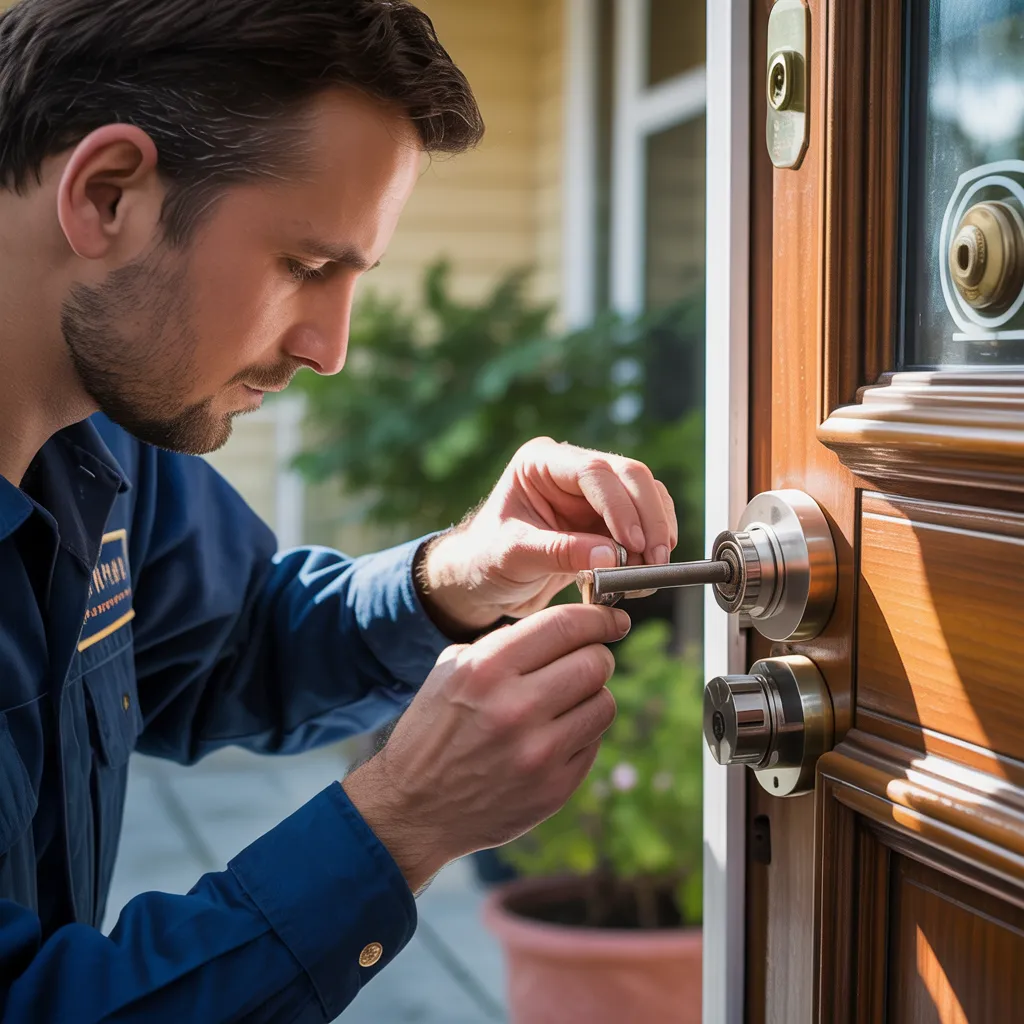
Why Rekeying Is Essential for Your Home's Security
Rekeying is crucial for enhancing a home's safety, especially when there are concerns about unauthorized access. This procedure entails altering the inner workings of a lock, invalidating existing keys while offering new keys that operate flawlessly. Property owners frequently encounter circumstances where old keys may still be in use, such as after relocating or experiencing a lost key. By having the locks rekeyed, they confirm that only reliable individuals have entry to their residence.
Moreover, rekeying is a cost-effective alternative to replacing entire lock systems. It not only strengthens security but also offers peace of mind. Skilled locksmiths can efficiently complete this task, typically within one appointment. Regular rekeying can be part of a homeowner's safety routine, adapting to changes in living arrangements or security needs. At the end of the day, focusing on rekeying contributes substantially to a home's complete security approach.
When to Think About Rekeying Your Locks
Homeowners should consider rekeying their locks in various situations to maintain security. A frequent situation arises when homeowners relocate to a new property; past tenants could potentially still have entry to the property. Likewise, in the aftermath of a breakup or divorce, rekeying can prevent an ex-partner from gaining entry to the residence. Furthermore, a lost or stolen key presents a considerable security threat, which makes rekeying a wise decision.
When lockouts occur regularly or a lock mechanism begins to show signs of deterioration, rekeying is often a highly effective option. Residents may find rekeying valuable during scheduled security enhancements, especially if they are integrating advanced security systems. Furthermore, if the risk of unauthorized key duplication becomes a concern, rekeying provides peace of mind. By addressing these situations promptly, homeowners can enhance their security and protect their property effectively.
How Rekeying Works: A Simple Breakdown
Modifying the internal components of a lock can significantly improve security without the need for a full replacement. Rekeying requires changing the lock's internal pins and springs to create a new key that operates the lock while making the old key obsolete. The procedure starts by disassembling the lock cylinder, where the old pins are extracted and swapped for new ones of different sizes. Every pin aligns with a particular height on the new key. When put back together, the lock can solely be operated with the newly made key. The whole process generally requires less time than a full lock replacement and tends to be more budget-friendly. Furthermore, rekeying enables homeowners to keep their existing locks while enhancing security, most notably after losing a key or transitioning into a new property. This method provides peace of mind without the expense and effort of a complete lock replacement.
How to Select the Best Rekeying Service
Picking the best rekeying provider can significantly impact the effectiveness and reliability of the security improvement. When choosing a provider, it is critical to assess the company's credibility. Checking online feedback and gathering referrals from reliable contacts can make it easier to locate trustworthy specialists.
In addition, confirming the certifications and background of the locksmith is essential. A licensed and bonded locksmith typically guarantees a superior quality of service. It is equally important to find out about the methods and equipment they employ, as contemporary techniques can boost overall security.
Transparency in pricing is another important factor; a trustworthy provider will offer straightforward quotes with no concealed charges. Additionally, consider the accessibility of the provider. A locksmith who offers flexible scheduling can address urgent needs promptly. By considering these standards, homeowners can make a confident selection, guaranteeing their rekeying concerns are resolved thoroughly and reliably.
What You Can Expect When Paying for Rekeying
When assessing the price of lock rekeying, homeowners should be aware of the several factors that affect pricing. These may involve the complexity of the lock mechanism and the local service options available. Being aware of these factors will assist in making an well-considered decision and planning accordingly regarding pricing.
Exploring Rekeying Costs
Comprehending the costs involved in rekeying locks is important for homeowners who value security and convenience. Typically, rekeying services range from $20 to $50 per lock, based on the service provider and location. This fee may rise if multiple locks require service or if unique lock types require attention. Residents should also factor in possible travel charges if the locksmith is expected to cover a considerable distance. While certain homeowners may choose DIY rekeying kits, working with a professional locksmith confirms the job is performed with precision and care. At the end of the day, choosing professional rekeying services not only enhances security but also delivers confidence, making it a smart choice for all residents.
Elements That Influence Pricing
A number of factors impact the pricing of rekeying locks, making it critical for homeowners to be aware of what to expect. To begin, the type of lock plays a significant role; premium locks often demand specific tools and professional skills, leading to increased expenses. Moreover, the number of locks needing rekeying directly affects the overall cost; rekeying several locks often leads to discounted rates. Labor expenses can vary based on the provider and regional area, with city locations generally having higher rates. Finally, if additional services, such as emergency or off-hours assistance, are needed, these can further increase expenses. Residents should gather estimates and weigh these aspects to plan financially for rekeying services.
Local Service Options
Nearby service choices for re-keying locks can greatly vary, offering homeowners numerous options tailored to their needs. Many local locksmiths offer mobile services, permitting specialists to arrive at the property. This accessibility frequently features same-day availability, which may be critical for emergency circumstances. Costs can vary based on the intricacy of the locks and how many keys are required. Homeowners should expect transparent estimates before work begins, typically featuring an itemized list of labor and parts. It proves beneficial to review area testimonials and qualifications to confirm trustworthiness. Moreover, select supply stores present rekeying services as a substitute, which may be more budget-friendly for those comfortable with DIY projects.

Premier Local Rekeying Services Near You
Locating dependable rekeying services can significantly improve home security. Community locksmiths frequently offer tailored rekeying services that address diverse requirements, from private homes to business facilities. It is important to evaluate customer testimonials and scores to locate dependable specialists.
Numerous cities feature locksmiths on call around the clock, providing quick access to professional rekeying assistance in urgent situations. Several trusted providers provide mobile services, enabling technicians to respond to the customer's address without delay. Furthermore, nearby hardware retailers may provide rekeying kits for DIY enthusiasts, though expert help is advised for best results.
Additionally, community suggestions can result in uncovering lesser-known professionals that may not have a strong online presence. By evaluating options and finding seasoned locksmith specialists, property owners can ensure their security rekeying needs are addressed promptly and professionally. important guide Implementing these strategies can lead to better assurance about property security.
Frequently Asked Questions
Can I Rekey My Own Locks, or Is It Better to Hire a Professional?
Lock rekeying is a task that can be handled by those knowledgeable about the procedure, but enlisting the help of a professional ensures the job is done correctly and securely. Balancing individual capability with the potential hazards involved typically yields superior results when an expert is consulted.
How Long Does the Rekeying Process Typically Take?
The lock rekeying process generally takes approximately 15 to 30 minutes per lock, based on the lock's complexity and the expertise of the technician. An experienced technician can provide precise and efficient service, reducing the likelihood of issues during the process.
Will Rekeying My Locks Void Any Warranties?
The process of rekeying locks usually does not invalidate warranties, as the majority of manufacturers permit this procedure. Nevertheless, it is recommended to review specific warranty terms or consult with the manufacturer to confirm compliance and steer clear of unintended complications.
What Equipment Do Professionals Use for Rekeying Locks?
Experts typically employ tools like a rekey kit, precision screwdrivers, a pair of pliers, and a plug follower. Such equipment assist with taking apart the lock, replacing pins, and ensuring proper functionality when the rekeying procedure is finished.
How Often Should I Consider Rekeying My Locks?
Security specialists suggest rekeying locks periodically or promptly upon losing a key, moving into a new home, or facing a security incident. Routine lock rekeying strengthens protection and ensures exclusively approved individuals have access to your property.